Pest Control Solutions for Modern Homes

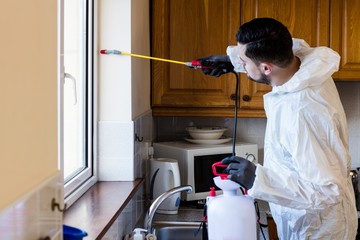
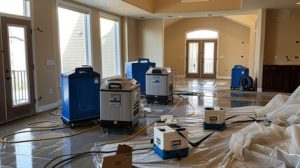
Pests invade when least expected. They disrupt comfort, damage property, and pose health risks. Modern Ben’s Pest Control goes beyond spraying chemicals. It blends science, strategy, and prevention to restore balance.
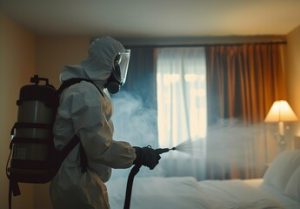
Pest Control

Understanding pest behavior is essential. Each species has unique patterns, habitats, and vulnerabilities. Professionals study these to design targeted interventions. This approach reduces unnecessary treatments and enhances efficiency.

Digital monitoring has transformed pest management. Sensors and cameras detect infestations early. Data analysis predicts hotspots before damage spreads. Technology allows proactive measures instead of reactive fixes.

Integrated pest management focuses on long-term solutions. It combines chemical, biological, and environmental strategies. This reduces reliance on harsh pesticides. Home safety and sustainability remain top priorities.

Inspection is the first step in control. Experts evaluate structure, landscape, and sanitation practices. Every crack, corner, and hiding spot is checked. Early identification ensures precise treatment.

Customized solutions make modern pest control effective. Not all pests respond to the same methods. Plans are tailored to the infestation type, location, and severity. This personalized approach maximizes results.

Eco-friendly options are now widely available. Biodegradable sprays and traps reduce environmental impact. Natural predators can be introduced to control populations. Sustainability and safety are no longer optional in pest management.

Regular maintenance prevents reinfestation. Scheduling inspections and treatments keeps homes protected. Routine checks catch new threats early. Prevention is often more effective than cure.

Commercial spaces also benefit from advanced pest solutions. Businesses face risks from rodents, insects, and birds. Professional programs maintain hygiene standards. Consistent monitoring protects both customers and employees.

Education plays a critical role in prevention. Residents learn about sanitation, waste management, and structural care. Awareness reduces conditions that attract pests. Informed habits complement professional interventions.

Technology-assisted treatment improves efficiency. Automated sprayers and bait stations deliver precise dosages. This reduces chemical exposure and human error. It also allows monitoring without constant presence.

Rodent control has evolved significantly. Traps are smarter, more humane, and data-driven. Professionals track activity to identify nesting patterns. Targeted action reduces population without widespread harm.

Insect control requires careful strategy. Cockroaches, ants, and termites respond differently to treatment. Professionals select methods that eliminate colonies at the source. Persistent infestations are addressed without excessive chemical use.

Seasonal changes affect pest activity. Warm months increase insect activity, while rodents seek indoor shelter in cold periods. Awareness of these patterns helps in timely interventions. Preventive scheduling aligns with natural cycles.

Pest control extends to landscaping. Overgrown vegetation, standing water, and mulch piles can harbor insects. Experts modify surroundings to reduce habitats. Environmental management is a core component of effective solutions.

The human factor cannot be ignored. Clutter, poor sanitation, and untreated leaks encourage infestations. Professionals advise on behavioral changes. Simple adjustments reduce pest access and survival rates.

Monitoring tools now include smartphone integration. Clients can receive alerts and updates on pest activity. Reports and recommendations are delivered digitally. This convenience improves engagement and compliance.

Health considerations are paramount. Some pests carry diseases or trigger allergies. Timely intervention prevents exposure and contamination. Pest control is as much about wellness as it is about property protection.

Bird management is increasingly incorporated. Birds can damage structures and spread pathogens. Netting, deterrents, and habitat modification are used responsibly. Ethical solutions respect wildlife while protecting human spaces.

Termite control has become sophisticated. Baiting systems, soil treatments, and monitoring stations track colonies. Early detection prevents structural damage. Long-term strategies ensure lasting protection.

Waterborne pests are often overlooked. Mosquitoes and flies breed in stagnant water. Proper drainage and targeted treatment eliminate these threats. This reduces nuisance and disease risk simultaneously.

Emergency services handle sudden infestations efficiently. Some pest problems require immediate attention. Rapid response teams identify, contain, and eradicate threats quickly. Minimizing exposure time is crucial for safety.

Education extends to commercial staff. Training ensures daily habits support long-term pest control. Trash management, cleaning routines, and proper storage reduce attractants. Consistency complements professional efforts.

Data collection enhances strategy. GPS mapping of infestations and activity patterns helps optimize interventions. Historical data predicts seasonal risks. Analytics turn pest control into a proactive science.

Traps and baits are now more specialized. Each pest type requires specific lures or formulations. Precision reduces collateral exposure. Safety is maintained for humans and pets.

Chemical treatments are refined. Modern formulations minimize toxicity while remaining effective. Professionals calculate exact dosages to avoid overuse. Controlled application reduces environmental footprint.

Integrated programs reduce recurring issues. Combining inspection, treatment, prevention, and education creates comprehensive protection. Short-term fixes rarely address the root problem. Consistency ensures long-term success.

Urban environments present unique challenges. High-density living, shared walls, and limited outdoor space affect pest behavior. Custom strategies account for these factors. Solutions are tailored to urban living conditions.

Wildlife intrusion requires specialized techniques. Raccoons, squirrels, and bats demand humane exclusion. Professionals seal entry points while maintaining ethical standards. Conflict resolution blends expertise with compassion.

Routine audits track efficacy. Post-treatment evaluations measure success. Adjustments are made for evolving conditions. Continuous improvement is central to professional pest management.

Biological methods are gaining traction. Beneficial insects, nematodes, and microbial treatments reduce chemical reliance. Ecosystem balance is restored naturally. Science-driven solutions are both innovative and safe.

Professional pest control combines artistry with precision. Skilled technicians adapt to site-specific needs. Knowledge, technology, and experience intersect. Results are measurable, safe, and sustainable.

Insurance and documentation support liability management. Commercial clients often require proof of pest control. Accurate records demonstrate compliance with regulations. Transparency builds trust between clients and providers.

Education campaigns target recurring misconceptions. Not all pest problems are visible immediately. Understanding pest life cycles prevents premature conclusions. Awareness enhances cooperation and long-term effectiveness.

The industry is moving toward predictive solutions. AI and machine learning analyze patterns for preventive actions. Future infestations may be mitigated before occurrence. Technology amplifies human expertise in pest control.

Homeowners increasingly adopt a holistic approach. Combining structural repairs, sanitation, landscaping, and professional services addresses root causes. Infestations are prevented rather than repeatedly treated. Long-term investment reduces costs and stress.

Global challenges such as climate change affect pest activity. Warmer temperatures and altered rainfall patterns influence populations. Professionals adapt strategies to meet evolving environmental conditions. Flexibility is key in modern pest management.

Community engagement is also essential. Neighborhood-level coordination prevents cross-property infestations. Awareness campaigns, clean-ups, and shared schedules reduce risk collectively. Collaborative strategies amplify individual efforts.

Pest control is no longer reactive. Preventive measures, technology, and education empower residents. Modern solutions prioritize safety, sustainability, and effectiveness. Every intervention is part of a larger system of balance.

Ultimately, pest control protects more than property. It safeguards health, comfort, and peace of mind. Professional services combine science, ethics, and convenience. Effective pest management transforms homes and workplaces into safe, livable spaces.

This approach signals a new era in pest management. Every treatment is data-informed, eco-conscious, and tailored. Infestations are mitigated efficiently without compromising safety. The integration of technology, strategy, and human expertise ensures lasting results for modern living.

Protecting Homes and Health With Effective Pest Control

Pest control is an essential aspect of maintaining a safe, healthy, and comfortable living environment. From ants and cockroaches to rodents and termites, pests can cause significant damage to homes, contaminate food, and pose health risks. Effective pest management not only prevents property damage but also safeguards the well-being of families and residents. Understanding the types of pests, prevention strategies, and available control methods is key to maintaining a pest-free home.

pest control

The Importance of Pest Control

Pests are more than just a nuisance—they can create serious problems if left unchecked. Some of the key reasons for implementing pest control measures include:

  • Health protection – Many pests carry diseases or trigger allergies, including asthma, skin irritations, and infections.
  • Property preservation – Termites, rodents, and other destructive pests can damage wood structures, wiring, insulation, and personal belongings.
  • Food safety – Pests contaminate food with bacteria, droppings, and urine, creating health hazards.
  • Peace of mind – A pest-free home reduces stress and ensures a comfortable living environment.
  • Long-term cost savings – Preventing infestations reduces repair costs and avoids the need for extensive extermination efforts later.

Effective pest control protects both health and property, making it a critical component of home maintenance.

Common Household Pests

Different pests require different control strategies. Some of the most common household pests include:

  • Ants – Often attracted to food and moisture, ants can form large colonies and are difficult to eliminate without targeted treatments.
  • Cockroaches – Known for spreading bacteria and triggering allergies, cockroaches thrive in kitchens and damp areas.
  • Rodents – Mice and rats can chew through wiring, insulation, and wood, causing structural damage and health risks.
  • Termites – These wood-eating insects can silently destroy structural elements, furniture, and flooring.
  • Bedbugs – Feeding on human blood, bedbugs cause itchy bites and are challenging to eradicate.
  • Spiders and other insects – While some are harmless, many spiders and insects can bite, infest, or trigger allergic reactions.

Identifying the type of pest is the first step in choosing an effective control method.

Prevention Strategies

Preventing pests is often more effective than dealing with an active infestation. Homeowners can take several steps to reduce the risk of pests entering their homes:

  • Seal entry points – Close gaps around doors, windows, vents, and utility lines to prevent pests from entering.
  • Maintain cleanliness – Regular cleaning, proper food storage, and immediate disposal of waste reduce attractants.
  • Control moisture – Repair leaks, improve ventilation, and eliminate standing water to discourage pests like ants, cockroaches, and mosquitoes.
  • Inspect outdoor areas – Keep yards tidy, trim vegetation, and remove debris to minimize nesting and breeding sites.
  • Regular inspections – Monitoring for signs of pests, such as droppings, chewed materials, or unusual odors, helps catch problems early.

Consistent preventive measures can dramatically reduce the likelihood of infestations.

Methods of Pest Control

Various methods are available for controlling pests, depending on the type of infestation and severity. Common approaches include:

  • Chemical treatments – Insecticides, rodenticides, and other chemicals can effectively eliminate pests when used properly and safely.
  • Baiting and trapping – Traps and baits can capture or poison pests, reducing populations without widespread chemical use.
  • Biological control – Introducing natural predators or beneficial organisms can help manage pest populations in a sustainable way.
  • Physical barriers – Screens, nets, and seals prevent pests from entering homes, particularly windows, vents, and doors.
  • Integrated Pest Management (IPM) – A combination of methods, including monitoring, prevention, and targeted treatment, minimizes risks and environmental impact.

Selecting the right method requires knowledge of the pest, the home environment, and safety considerations.

DIY vs Professional Pest Control

While some minor pest problems can be addressed by homeowners, professional pest control services offer several advantages:

  • Expert knowledge – Technicians can identify pests accurately and recommend effective solutions.
  • Access to specialized tools – Professional equipment and treatments reach areas that are difficult to access.
  • Safety – Experts handle chemicals and traps safely, minimizing risks to humans and pets.
  • Long-term solutions – Professionals provide treatment plans and follow-ups to prevent re-infestation.
  • Efficiency – Experienced technicians resolve infestations quickly, reducing stress and potential damage.

Professional pest control ensures thorough, safe, and lasting results.

Signs of an Infestation

Early detection is key to preventing widespread damage and health risks. Some signs of a pest infestation include:

  • Droppings or urine trails
  • Chewed wiring, wood, or insulation
  • Unpleasant odors from pests or their nesting materials
  • Sightings of live or dead pests
  • Damage to furniture, walls, or stored food
  • Bite marks or rashes on humans or pets

Noticing these indicators early allows homeowners to take immediate action, preventing further problems.

Health and Safety Considerations

Pests can carry bacteria, viruses, and parasites that pose serious health risks. Ensuring proper pest control safeguards residents, particularly children, elderly family members, and those with compromised immune systems. Additionally, handling chemicals, traps, and other treatments requires careful attention to safety guidelines to prevent injury or contamination.

Pest control is an essential part of maintaining a safe, healthy, and comfortable home. By understanding common pests, implementing preventive measures, and utilizing effective control methods, homeowners can protect their property, safeguard their families, and enjoy peace of mind.

Whether through regular inspections, DIY preventive steps, or professional pest control services, taking proactive measures ensures that infestations are prevented or addressed quickly. Maintaining a pest-free environment not only preserves property and health but also enhances the overall quality of life, creating a home that is safe, clean, and enjoyable for everyone.

Understanding Rodent Infestation: Causes, Risks, and Effective Control Methods

Rodent infestation is a persistent problem that affects residential, commercial, and industrial properties alike. Rodents are highly adaptable creatures capable of thriving in a wide range of environments, especially those that provide easy access to food, water, and shelter. Once rodents establish themselves indoors or around a structure, they can multiply rapidly and become difficult to control without a strategic approach. Understanding why rodent infestations occur, the risks they pose, and the most effective control methods is essential for protecting property, health, and long-term safety.

rodents

Many property owners underestimate how quickly a minor rodent issue can escalate into a serious infestation. What may start as occasional noises or droppings can soon develop into structural damage, contamination, and health concerns. Rodents are not simply a nuisance; they are destructive and potentially dangerous pests. Taking a proactive and informed approach to Rodent Retreat control is the best way to prevent small problems from becoming costly and disruptive situations.

What Is Rodent Infestation?

Rodent infestation occurs when rodents such as rats or mice invade a building or surrounding area and establish nesting, feeding, and breeding activity. These infestations can take place in homes, offices, warehouses, restaurants, and other structures where conditions support rodent survival. Rodents are nocturnal and often go unnoticed in the early stages, which allows their population to grow unchecked.

Infestations are not limited to older or poorly maintained buildings. Even well-kept properties can experience rodent problems if entry points exist or food sources are accessible. Rodents can squeeze through extremely small openings and are excellent climbers and burrowers. Their ability to adapt makes them one of the most challenging pests to eliminate once they gain access to a structure.

Common Causes of Rodent Infestation

Understanding the root causes of rodent infestation is critical for both prevention and control. Rodents are driven by survival instincts, and they will seek environments that offer warmth, food, and protection from predators. Human activity often unintentionally creates ideal conditions for rodents to thrive.

One of the primary causes of rodent infestation is easy access to food. Improperly stored food, uncovered trash, and food residue attract rodents quickly. Even small crumbs or pet food left overnight can be enough to sustain a rodent population. In commercial environments, food preparation areas and storage spaces are especially vulnerable if sanitation practices are inconsistent.

Structural vulnerabilities also play a major role in rodent infestation. Cracks in walls, gaps around doors, damaged vents, and openings around utility lines provide easy entry points. Rodents constantly gnaw to keep their teeth trimmed, which means they can enlarge existing gaps over time. Poor maintenance increases the likelihood that rodents will find a way inside.

Environmental factors further contribute to infestations. Cluttered storage areas, overgrown vegetation, and debris around a building create hiding and nesting spots. Seasonal changes can also drive rodents indoors, especially during colder months when outdoor resources become scarce. Without preventive measures, these factors combine to create ideal conditions for infestation.

Signs of a Rodent Infestation

Identifying a rodent infestation early can significantly reduce damage and control costs. While rodents often remain hidden, they leave behind clear signs of their presence. Recognizing these indicators allows property owners to take action before the problem escalates.

Some of the most common signs of rodent infestation include:

  1. Droppings are found near food sources, along walls, or in hidden areas such as cabinets and storage rooms.
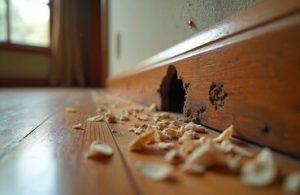
  2. Gnaw marks on wires, wood, packaging, or furniture.
  3. Scratching or scurrying noises coming from walls, ceilings, or floors, particularly at night.

Additional signs may include nesting materials such as shredded paper or fabric, unpleasant odors caused by urine, and grease marks along walls where rodents frequently travel. Ignoring these warning signs allows rodents to breed and spread, making eradication far more difficult over time.

Health Risks Associated With Rodent Infestation

Rodent infestation poses serious health risks to occupants of affected properties. Rodents are known carriers of various diseases, which can be transmitted through direct contact, contaminated surfaces, droppings, urine, or bites. Even indirect exposure can lead to health issues, particularly for children, the elderly, and individuals with weakened immune systems.

Rodents also contaminate food supplies and food preparation areas. Their constant movement across surfaces spreads bacteria, increasing the risk of foodborne illnesses. Inhaling particles from dried droppings or urine can also cause respiratory problems. These health risks make rodent control a critical aspect of maintaining a safe and sanitary environment.

Beyond disease transmission, rodents contribute to allergy and asthma issues. Their fur, dander, and waste particles can trigger allergic reactions and worsen respiratory conditions. Over time, continuous exposure can significantly impact indoor air quality and overall well-being.

Property Damage Caused by Rodents

In addition to health concerns, rodent infestation can result in extensive property damage. Rodents have strong teeth that grow continuously, prompting them to gnaw on almost anything. Electrical wiring, insulation, wooden structures, and plumbing components are common targets. This behavior increases the risk of electrical failures and even fire hazards.

Rodents also damage walls, ceilings, and flooring by burrowing and nesting. In commercial settings, damaged inventory and packaging can result in financial losses and operational disruptions. Repairing rodent-related damage often costs far more than implementing preventive control measures early on.

Over time, unchecked rodent activity can weaken structural integrity and reduce property value. For businesses, visible rodent issues can harm reputation and customer trust. These consequences highlight the importance of addressing infestations promptly and effectively.

Effective Rodent Control Methods

Successful rodent control requires a comprehensive approach that targets both existing rodents and the conditions that attract them. Relying on a single method is rarely effective, especially for established infestations. Integrated strategies deliver the best long-term results.

One key component of rodent control is exclusion. This involves sealing entry points and reinforcing vulnerable areas to prevent rodents from gaining access. Gaps around doors, vents, and utility lines should be closed using durable materials. Exclusion not only stops current rodents but also prevents future invasions.

Sanitation is another critical control method. Eliminating food and water sources reduces the appeal of a property to rodents. Proper waste management, regular cleaning, and secure food storage are essential practices. In commercial environments, strict sanitation protocols play a major role in long-term rodent prevention.

Trapping and baiting are commonly used control techniques to reduce rodent populations. These methods must be applied carefully and strategically to be effective. Improper placement or inconsistent monitoring can limit success. Combining population control with exclusion and sanitation ensures more reliable outcomes.

Preventive Measures for Long-Term Control

Preventing rodent infestation is far more effective and cost-efficient than dealing with an established problem. Preventive measures focus on making the environment less attractive and accessible to rodents. Consistency is key, as even small lapses can provide opportunities for rodents to return.

Important preventive practices include:

  1. Regular inspection of building exteriors and interiors to identify potential entry points.
  2. Maintaining clean surroundings and minimizing clutter that can serve as nesting areas.

Landscaping also plays a role in prevention. Keeping vegetation trimmed away from buildings and removing debris reduces hiding places. Proper drainage eliminates standing water, which rodents rely on for survival. These measures work together to create an environment that discourages rodent activity.

Ongoing monitoring is essential for long-term control. Even after an infestation is resolved, routine checks help detect early signs of rodent presence. Early intervention prevents minor issues from developing into full-scale infestations again.

The Importance of Professional Rodent Control

While some property owners attempt do-it-yourself solutions, professional rodent control often provides more reliable and lasting results. Experienced professionals understand rodent behavior, nesting habits, and movement patterns. This knowledge allows them to design targeted control strategies that address the root of the problem rather than just the symptoms.

Professional control services typically include thorough inspections, customized treatment plans, and ongoing monitoring. These comprehensive solutions reduce the risk of reinfestation and ensure compliance with safety standards. For large or recurring infestations, professional intervention is often the most effective option.

Investing in professional rodent control can also save money in the long run. By preventing extensive damage and health-related issues, property owners avoid costly repairs and potential disruptions. Professional expertise adds an extra layer of protection and peace of mind.

Why Early Action Matters

Delaying action when signs of rodent infestation appear can lead to rapid population growth and increased damage. Rodents reproduce quickly, and a small infestation can become severe within a short period. Early intervention limits the scope of the problem and simplifies control efforts.

Prompt action also reduces health risks and minimizes exposure to contaminants. Addressing rodent issues early protects occupants and helps maintain a clean, safe environment. Whether in a home or commercial setting, early response is one of the most important factors in successful rodent management.

Thoughts on Rodent Infestation and Control

Understanding rodent infestation, including its causes, risks, and control methods, is essential for protecting property and health. Rodents are resilient pests that exploit weaknesses in sanitation and structure, making prevention and vigilance crucial. By recognizing warning signs, addressing contributing factors, and implementing effective control strategies, property owners can significantly reduce the likelihood of infestation.

Rodent control is not a one-time effort but an ongoing process that requires awareness and maintenance. Long-term success comes from combining prevention, monitoring, and timely intervention. With the right approach, it is possible to manage rodent risks effectively and maintain a safer, healthier environment for everyone involved.